

Your body uses amino acids, along with nutrients such as vitamin C, zinc, and copper, to create collagen. Specialized cells called fibroblasts play an important role in producing collagen within the skin. Collagen production is continuous, but it becomes less efficient over time. A comprehensive approach can help you maintain firmer, healthier-looking skin.
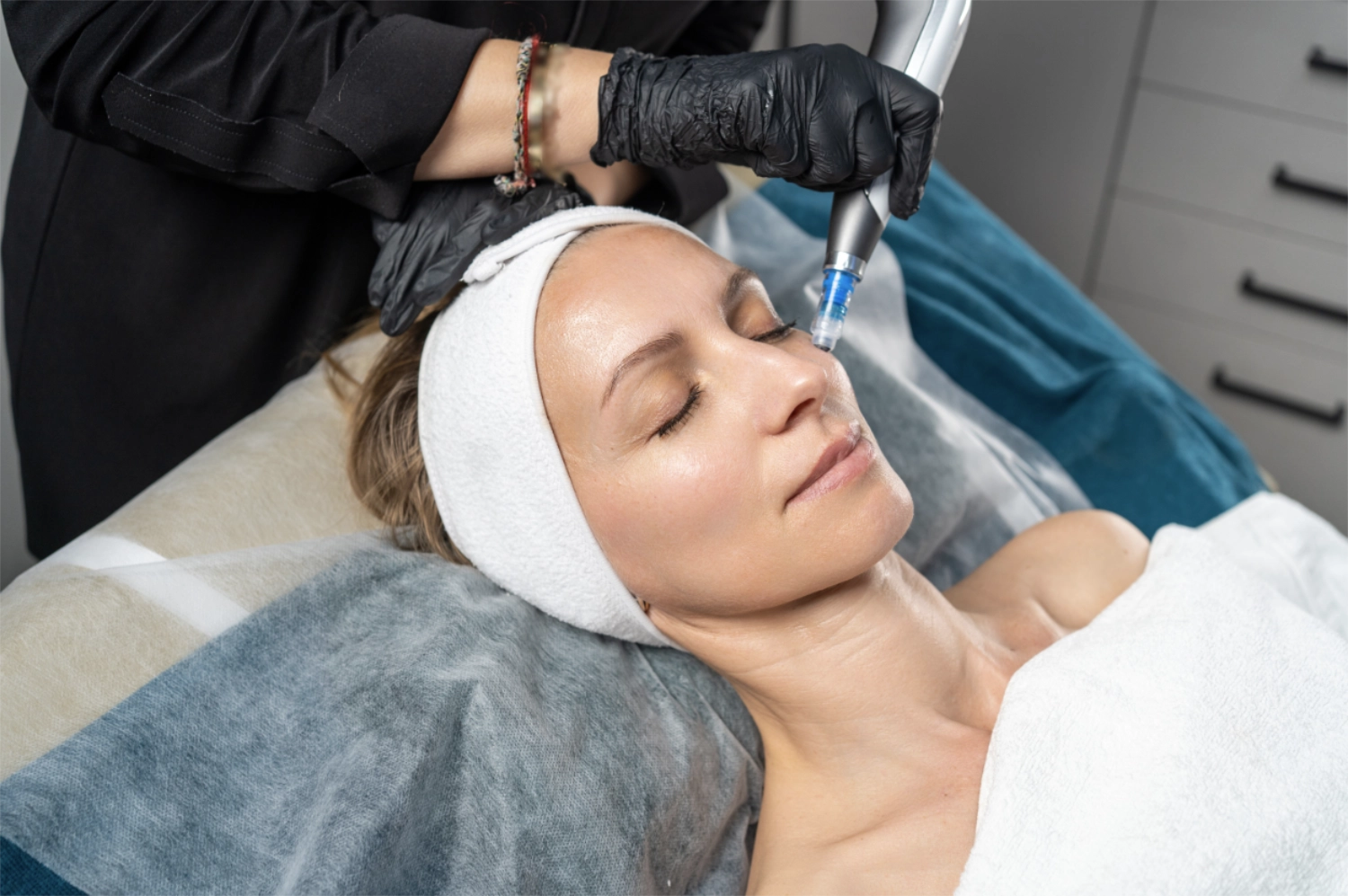
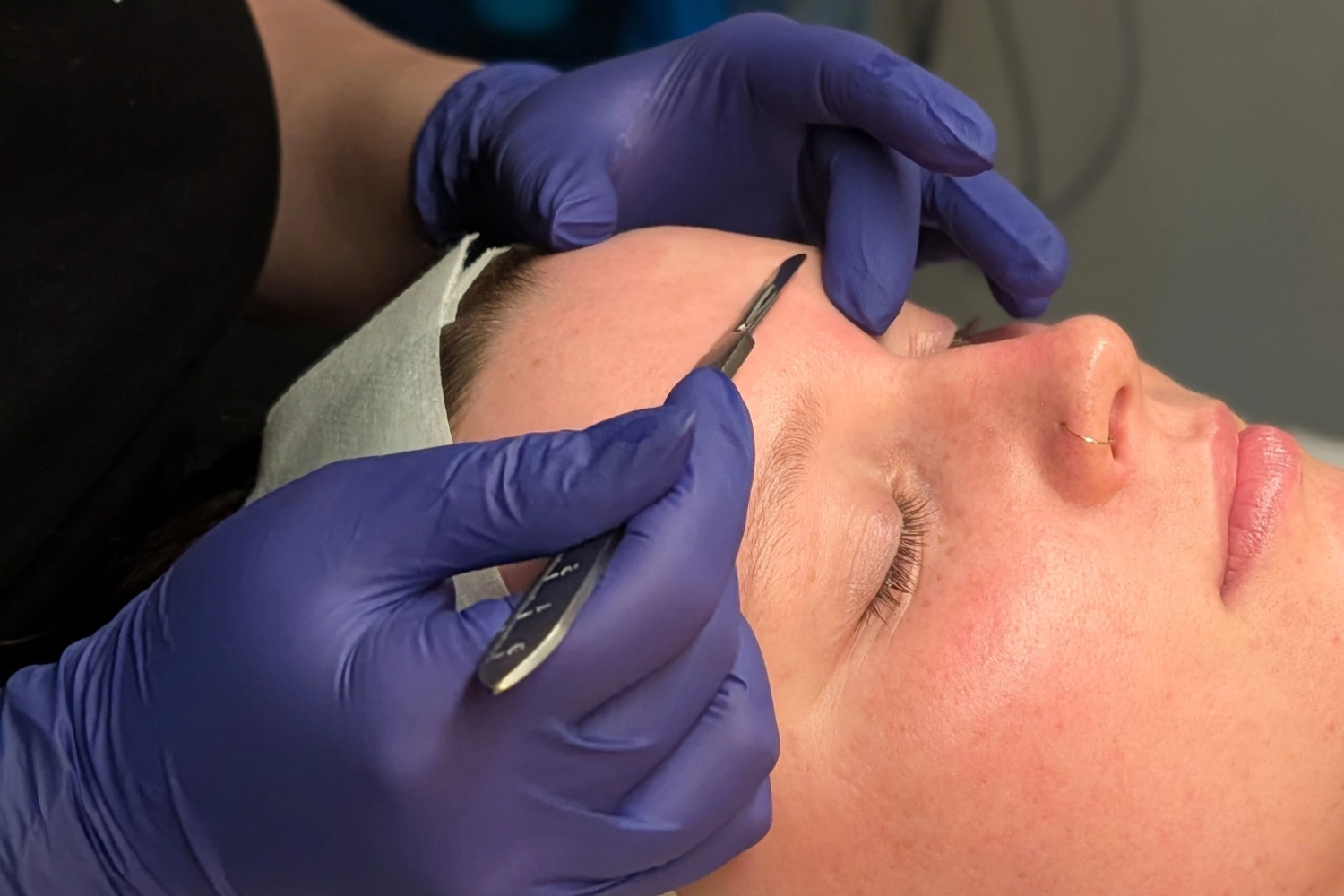
Radiofrequency (RF) microneedling takes collagen stimulation a step further by combining controlled microneedling with radiofrequency energy. The needles deliver energy beneath the skin’s surface, creating heat that can encourage collagen remodeling and tissue tightening.
Treatments such as Morpheus8 and SylfirmX let you customize treatment based on your skin concerns, making RF microneedling an option for clients looking to address laxity, texture, scarring, and certain pigmentation or redness concerns.
Hormones can influence many processes throughout the body, including skin health. Estrogen, in particular, is associated with collagen production and skin thickness. As estrogen levels change during perimenopause and menopause, some people experience noticeable changes in their skin, including increased dryness, reduced elasticity, and thinning.
Hormone replacement therapy (HRT) may help address certain symptoms associated with hormonal changes, and research has found associations between estrogen therapy and improvements in measures of skin collagen. However, HRT is a medical treatment with potential benefits and risks, so it isn’t appropriate for everyone.
If you’re considering HRT, speak with a qualified healthcare professional who can evaluate your health history, symptoms, and treatment options. HRT should be approached as part of your overall health plan rather than as a cosmetic treatment alone.
Rapid weight loss associated with the GLP medications is leading to an epidemic called “Ozempic Face”. We can slow the progression and help manage some of the side effects by starting skincare treatments at any point during your weight loss journey, but starting early will help mitigate some of the collagen and elastin decline. While rapid weight loss is one of the leading culprits of skin laxity, other factors are involved GLP-1RA and the possible skin aging – PMC .
Collagen loss happens gradually, so you should support your skin over the long term, too. Do not chase every new treatment or product. Instead, understand what your skin needs now and choose treatments that support those goals. At Skinworks Wellness & Aesthetics, we take the time to understand your skin, concerns, and aesthetic goals before recommending a treatment plan. Your skin deserves more than a quick fix. Schedule a consultation with Skinworks to create a personalized plan for healthier, firmer-looking skin.